
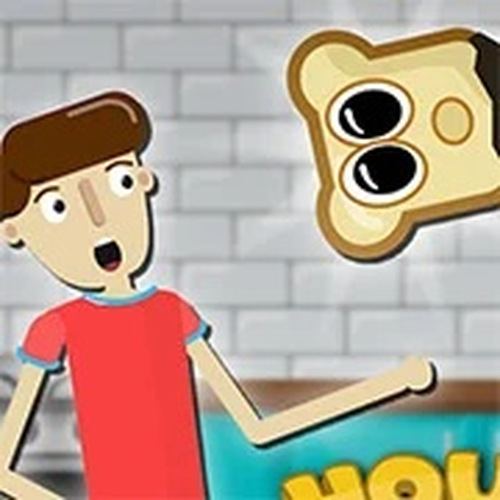
House of Challenges Arcade Game
What players say
House of Challenges delivers pure family fun with its simple yet engaging gameplay. Two players race to complete tasks while dodging random house hazards, creating laugh-out-loud moments. The bright visuals and short rounds make it perfect for parties or quick breaks. It is easy to learn but offers enough unpredictability to keep players coming back.
How to play
Game Introduction
House of Challenges is an online arcade game that combines racing and skill elements. Two players enter a house filled with unexpected traps and must complete everyday tasks while avoiding dangers. The house reacts with falling objects, swinging doors, slippery floors, and other surprises that keep each round unpredictable. Players race to finish their tasks first, creating a chaotic and funny competition. The game is designed for all ages, with simple controls and no violent content. It is perfect for parties, family game nights, or a quick break with friends. The bright visuals and playful sound effects add to the lighthearted atmosphere.
How to Play
To play, two players use separate keyboard controls. Player 1 jumps with W, moves left with A and right with D, and crouches or fires with S. Player 2 jumps with I, moves left with J and right with L, and crouches or fires with K. The goal is to be the first to complete all tasks, such as flipping a switch or picking up an object. Hazards appear randomly, so players must react quickly and plan their movements. The game ends when one player finishes all tasks, and the winner is declared. Rounds are short, encouraging repeated play.
Game Features
Features include: Multiplayer chaos for two players on the same device. Simple controls that are easy to learn. Family-friendly content with no mature themes. Random hazards that keep each round fresh. Short rounds that fit into any schedule. Competitive fun that encourages friendly rivalry.
Tips for Success
To succeed in House of Challenges, players should practice quick reflexes to dodge hazards. Learning the layout of tasks can help plan efficient routes. Communication with your opponent can add to the fun, but staying focused on your own tasks is key. Since hazards are random, staying adaptable and not getting frustrated by surprises will improve performance. Short rounds mean each attempt is a fresh chance to improve.









Comments
Sign in to comment
You must be logged in before posting a review or rating.
No account? Create one
No comments yet. Be the first to comment!