
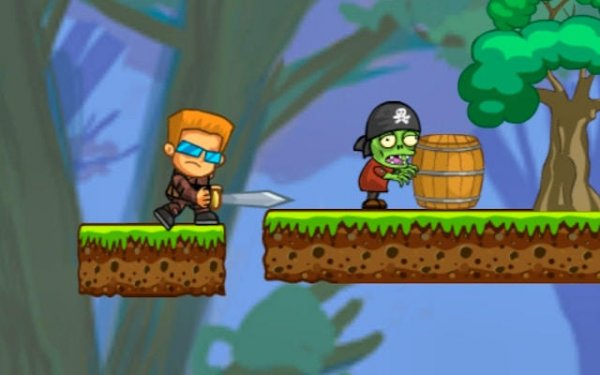
Happy Path: A Gentle Platform Adventure
What players say
Happy Path succeeds in creating a genuinely relaxing platforming experience. The absence of enemies or time pressure allows players to focus on the joy of movement and discovery. Each stage feels handcrafted, with cleverly placed obstacles that teach through repetition rather than punishment. The art direction is consistently cheerful, and the soundtrack complements the on-screen action without becoming repetitive. While experienced gamers may find the difficulty too low, the game excels at its intended purpose: providing a gentle, accessible adventure for players of all ages. It is a standout example of how platformers can be both simple and satisfying.
How to play
Core Gameplay Loop
Happy Path centers on navigating from a starting point to a finish marker across a series of themed stages. The primary actions involve moving left or right, leaping over gaps, and climbing onto elevated surfaces. Success depends on reading the environment and timing movements correctly. There are no enemies to defeat; instead, players encounter comical characters that can be temporarily stunned by landing on them, which clears the way forward. A single misstep sends the player back to the beginning of the current stage, encouraging repeated attempts to learn the layout.
World Design and Atmosphere
Each stage in Happy Path presents a distinct visual theme, from sun-drenched beaches to cozy forest clearings. The art style draws inspiration from classic 16-bit platformers, using bright colors and simple shapes to create a welcoming aesthetic. Backgrounds feature animated elements like drifting clouds or gently swaying trees, adding to the relaxed mood. The soundtrack uses cheerful, upbeat melodies that match the tone of each area. Hidden alcoves and optional paths reward players who take the time to explore, offering small visual surprises rather than power-ups or points.
Progression and Difficulty Curve
The game introduces new obstacles gradually. Early stages focus on basic jumps and flat surfaces, while later levels incorporate moving platforms, slippery sections, and more complex gaps. The difficulty increases at a steady pace, allowing players to build confidence without feeling overwhelmed. There are no time limits or score requirements, so each attempt can be taken at a comfortable speed. This design makes the game suitable for young children and adults alike, as the challenge comes from spatial awareness and patience rather than quick reflexes.
Accessibility and Control Scheme
Controls are intentionally minimal. A directional input moves the character, a single button performs a jump, and no additional actions are needed. This simplicity ensures that players of all skill levels can pick up the game without a lengthy tutorial. The interface is clean, with no on-screen clutter or complex menus. Restarting a stage after a mistake is instantaneous, reducing frustration. The game also includes visual cues, such as subtle color changes on hazardous surfaces, to help players identify risks before committing to a move.
Replay Value and Secrets
While the main objective is to reach the end of each stage, Happy Path encourages revisiting levels to find hidden areas. These secret spots often contain alternative routes or amusing visual gags, such as a character waving from a window. There are no collectibles to gather or high scores to beat, so the incentive to replay comes from curiosity and the desire to see all the content. The cheerful tone and short stage length make it easy to pick up for a few minutes at a time, fitting well into short gaming sessions.








Comments
Sign in to comment
You must be logged in before posting a review or rating.
No account? Create one
No comments yet. Be the first to comment!