
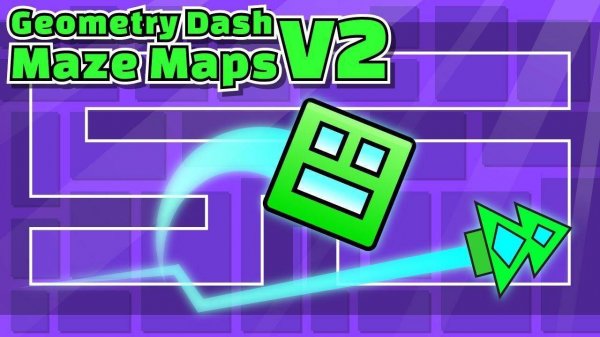
Pathfinder Maze Challenge
What players say
Pathfinder Maze Challenge stands out for its thoughtful level design and clear visual feedback. The automatic movement mechanic forces players to think ahead, turning each stage into a small puzzle of timing and observation. Early levels teach the basics gently, while later stages introduce moving platforms and tighter gaps that demand precision. The clean visuals and lack of clutter help players focus on the task. This is a well-crafted casual game that offers genuine satisfaction when you finally clear a tough section.
How to play
Core Movement Mechanics
Pathfinder Maze Challenge centers on a simple but engaging concept: the character proceeds through each stage without direct steering. Players influence progress by deciding when to jump. This creates a steady rhythm where success depends on reading the environment and acting at precise moments. The automatic forward motion keeps the pace consistent, allowing players to focus on the placement of obstacles and the shape of the path ahead.
Level Design and Progression
Each stage in Pathfinder Maze Challenge offers a distinct arrangement of platforms, gaps, and barriers. Early levels introduce basic patterns that teach the timing required for safe passage. Later stages combine multiple elements, such as moving surfaces and narrow ledges, requiring careful observation. The difficulty increases gradually, encouraging players to revisit earlier stages to refine their approach before tackling more complex layouts.
Visual Feedback and Player Guidance
The game provides clear visual cues to help players anticipate upcoming challenges. Color changes on platforms may indicate safe zones, while subtle animations signal when a jump is likely to succeed. This design reduces guesswork and supports learning through repetition. The clean, uncluttered visuals ensure that players can quickly identify threats and plan their next move without distraction.
Strategic Thinking Under Pressure
While the controls are simple, Pathfinder Maze Challenge demands more than quick reflexes. Players must plan several steps ahead, considering the character's speed and the position of upcoming obstacles. Some sections may require waiting for a moving platform to align, while others call for a series of rapid jumps. This blend of planning and reaction creates a satisfying challenge that appeals to both casual players and those seeking deeper puzzle experiences.







Comments
Sign in to comment
You must be logged in before posting a review or rating.
No account? Create one
No comments yet. Be the first to comment!