
Draw and Drop Puzzle
What players say
Draw and Drop Puzzle is a delightful physics game that stands out for its creative freedom. The simple drawing mechanic is easy to pick up, but the puzzles offer enough variety to keep you engaged. The bright graphics and lack of time pressure make it a stress-free experience. It is a great choice for families or anyone looking for a fun, brain-teasing activity.
How to play
Game Introduction
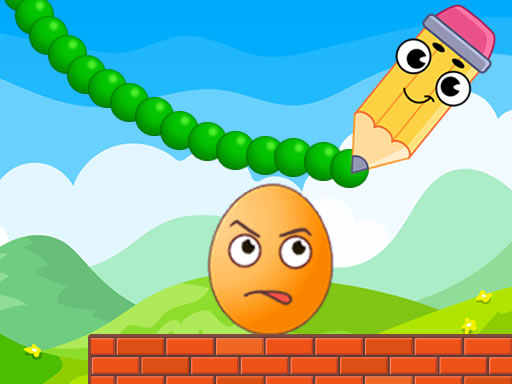
Draw and Drop Puzzle is a casual physics-based game that invites players to use their imagination to solve each challenge. The core objective is to create drawn objects that interact with the environment in a way that achieves a specific goal. This game stands out for its simple yet engaging concept, where the player's own drawings become the tools for progress. The experience is built around experimentation and observation, making each attempt a learning opportunity. With its colorful and cheerful visual style, the game is designed to be accessible to a wide audience, from young children to adults. The puzzles are structured to gradually introduce new elements, keeping the gameplay fresh without overwhelming the player. The unique mechanic of drawing custom shapes to interact with the game world encourages creative thinking and problem-solving. Each level presents a new arrangement, requiring players to adapt their approach. The satisfaction of seeing a well-designed drawing successfully complete a challenge is a key part of the game's appeal. It is a lighthearted and rewarding experience that emphasizes fun and creativity over competition or speed.
How to Play
Players begin each level by observing the setup, which typically includes a target object or area. Using a simple drawing tool, they sketch a shape or object on a designated part of the screen. Once the drawing is complete, the game's physics engine brings it to life, causing it to fall or move according to gravity. The goal is to have the drawn object interact with the target in a way that fulfills the level's requirement. This might involve hitting a specific point, applying pressure, or triggering a chain reaction. The controls are intuitive, usually involving a mouse or touch input for drawing. There is no time limit, allowing players to think carefully and refine their designs. If the first attempt does not succeed, players can adjust the size, shape, or position of their drawing and try again. The game provides immediate feedback, making it easy to understand what works and what needs improvement. This trial-and-error process is central to the gameplay, encouraging persistence and creative problem-solving.
Game Features
The game features a simple and intuitive drawing mechanic that is easy to learn but offers depth for experimentation. It includes a variety of levels, each with a unique layout and challenge, which helps maintain player interest over time. The physics engine is a core component, providing realistic interactions between drawn objects and the game environment. The visual style is bright and appealing, creating a positive and engaging atmosphere suitable for all ages. The game may include a progression system that unlocks new levels or introduces new elements as players advance. The controls are designed to be responsive and straightforward, ensuring a smooth experience on different devices. The focus on creativity and problem-solving makes it a mentally stimulating activity that is both fun and educational. The lack of time pressure or complex rules makes it accessible to casual players while still offering enough challenge to keep experienced players engaged.
Tips for Success
To improve your results, start by observing the level's layout carefully before drawing. Experiment with different shapes and sizes to see how they behave under gravity. Larger and heavier shapes often have more impact, but precision is also important. Do not be discouraged by failed attempts; each one provides valuable information for your next try. Pay attention to the angle and position of your drawing, as these factors greatly influence the outcome. Practice regularly to develop a better sense of how different shapes interact with the environment.
Comments
Sign in to comment
You must be logged in before posting a review or rating.
No account? Create one
No comments yet. Be the first to comment!