
Picture Assembly Game for Young Minds
What players say
This picture assembly game stands out for its simplicity and replayability. The random arrangement of piece positions ensures each session feels new, preventing the boredom that can come from static puzzles. Young players benefit from the gentle visual cues that guide placement without giving away answers. The lack of timers or scores creates a stress-free environment where children can focus on the process rather than the outcome. It is an excellent choice for parents seeking a quiet, educational activity that runs directly in a browser without any setup.
How to play
Core Gameplay Loop
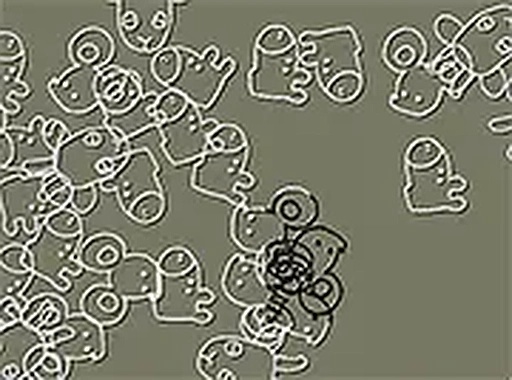
Players are presented with a set of image fragments on one side of the screen and a larger background area with faint outlines. The objective is to drag each piece from the side panel onto its matching spot within the scene. As pieces are correctly placed, the full picture gradually emerges, offering a clear sense of progress. The layout of target positions changes randomly with each new game, so no two sessions are identical. This design keeps the activity engaging and prevents memorization from becoming a shortcut.
Visual Feedback and Progression
The interface provides subtle visual cues to guide placement. Highlighted zones on the background indicate where pieces belong, reducing frustration for younger players. Once a fragment is correctly positioned, it locks into place, and the image becomes slightly more complete. This incremental reveal creates a satisfying loop: each correct placement brings the final picture closer into view. The variety of images used in the game ensures that returning players encounter fresh scenes regularly.
Accessibility and Platform
The entire experience runs directly in a desktop web browser without any downloads or installations. Controls are limited to simple click-and-drag actions, making the game accessible to children who are still developing fine motor skills. There are no timers, scores, or penalties for incorrect attempts, which helps maintain a relaxed atmosphere. This approach allows players to focus on the task at their own pace, making it suitable for both independent play and guided sessions with a parent or teacher.
Skill Development Through Play
While the primary goal is completing pictures, the activity naturally encourages several cognitive skills. Players must compare fragment shapes and colors to the target outlines, which exercises pattern recognition. Deciding where to start and how to approach the layout promotes basic strategic thinking. Working from edges inward or grouping pieces by color are common strategies that emerge organically. Over multiple sessions, children often become faster and more accurate, reflecting improved spatial awareness and attention to detail.
Replay Value and Variety
The random arrangement of target positions is the key factor driving replayability. Because the correct spots for each piece shift every time, even familiar images feel like new challenges. This unpredictability encourages players to approach each session with fresh observation rather than relying on memory. The game does not track progress or levels, so there is no pressure to perform. Instead, it offers a calm, repeatable activity that can be enjoyed in short bursts or longer sittings.






Comments
Sign in to comment
You must be logged in before posting a review or rating.
No account? Create one
No comments yet. Be the first to comment!