
Hue Group Puzzle Challenge
What players say
Hue Group Puzzle Challenge offers a polished take on the match-3 genre. The core mechanic of tapping connected color groups is intuitive, but the shifting board adds a welcome layer of strategy. The timer creates a gentle sense of urgency without making the game feel stressful. Visuals are bright and uncluttered, supporting long play sessions without eye strain. The scoring system rewards both large clusters and chain reactions, giving each move weight. It is an excellent choice for players who enjoy thoughtful puzzles that respect their time.
How to play
Core Gameplay Loop
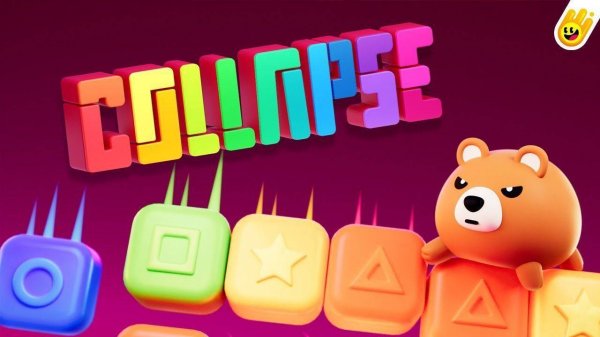
Players interact with a grid filled with colored tiles. The primary action involves selecting any cluster of two or more adjacent tiles that share the same hue. Tapping that group removes it from the board, causing tiles above to fall into the empty spaces. This collapse can create new matching clusters, leading to automatic chain reactions. The objective is to clear as many tiles as possible before the timer expires. Larger clusters and consecutive chain reactions contribute to a higher final score.
Strategic Depth in a Simple Package
While the basic action is straightforward, the shifting board introduces a layer of planning. A single removal can rearrange the entire layout, so thinking one or two moves ahead becomes important. Players must decide whether to take an available cluster or wait for a better arrangement. The timer adds a gentle pressure, encouraging quick decision-making without making the experience feel rushed. This balance makes the game accessible to newcomers while offering enough complexity for those seeking a mental challenge.
Visual Design and User Experience
The interface uses bright, distinct colors that make it easy to identify matching groups at a glance. The clean layout minimizes distractions, allowing players to focus on the puzzle. Animations are smooth but not overly flashy, ensuring the gameplay remains the central focus. The overall aesthetic is family-friendly, with no graphic content or complex menus. This design philosophy supports both short, spontaneous play sessions and extended periods of concentrated puzzle solving.
Scoring and Progression Mechanics
The scoring system rewards efficient play. Clearing larger clusters yields more points than removing smaller groups. Chain reactions multiply the score, as each subsequent match in a chain adds to the total. The game may include milestones or level-based progression that gradually increases the difficulty, such as faster timers or more complex grid layouts. This structure gives players clear goals to work toward, providing a sense of accomplishment with each successful round.
Accessibility and Session Flexibility
The controls are designed for ease of use, requiring only taps on the screen. There are no complicated gestures or multi-step actions to learn. This makes the game suitable for players of all ages and skill levels. The timer-based format means each session has a natural endpoint, making it easy to fit into a busy schedule. Whether waiting for an appointment or unwinding at home, the game offers a focused, low-commitment experience that respects the player's time.



Comments
Sign in to comment
You must be logged in before posting a review or rating.
No account? Create one
No comments yet. Be the first to comment!